
A Guide to Choosing Industrial Enclosures: 3 Key Considerations

Industrial enclosures shield critical components from dust, water, and extreme temperatures. To protect critical controls and electronics from harsh environments, debris, and temperature swings, choosing the right industrial enclosure is essential.
To find the right enclosure for your environment and performance needs, start with these three considerations:
1. Operating Environment for Your Industrial Enclosure
Your operating environment dictates the best material for your enclosure. Key factors include:
• Electromagnetic interference
• UV resistance
• Temperature
• Plant or factory conditions
• Excessive humidity
• Exposure to harsh elements
• Environmental dust or debris
Once you know exactly what your enclosure is up against, picking the right material becomes a lot easier:
- Polycarbonate (UV light, high temperature and impact-resistant)
- Fiberglass (lightweight; high temperature and corrosion resistant)
- Stainless steel (heavy-duty; corrosion and EMI resistant)
- Aluminum (lightweight; corrosion resistant)
2. Application Requirements
Your specific requirements are going to drive your choice of materials and equipment. Here’s what usually tops the list of concerns:
- Enclosure size
- Available space
- Ease of accessibility
- Mounting requirements
- Access to duct and power
- Thermal management for heat generating components
3. Performance Standards
Enclosures must meet certain performance standards, including NEMA (National Electrical Manufacturers Association) and UL (Underwriters Laboratories).
Think of these ratings as a “seal of approval.” Inspectors test how well the enclosure blocks dust and moisture; if nothing gets in, it passes. Checking these ratings is the easiest way to ensure your components stay dry and debris-free.
Ready to make a selection? View our enclosures here then contact us at 800-456-9012.
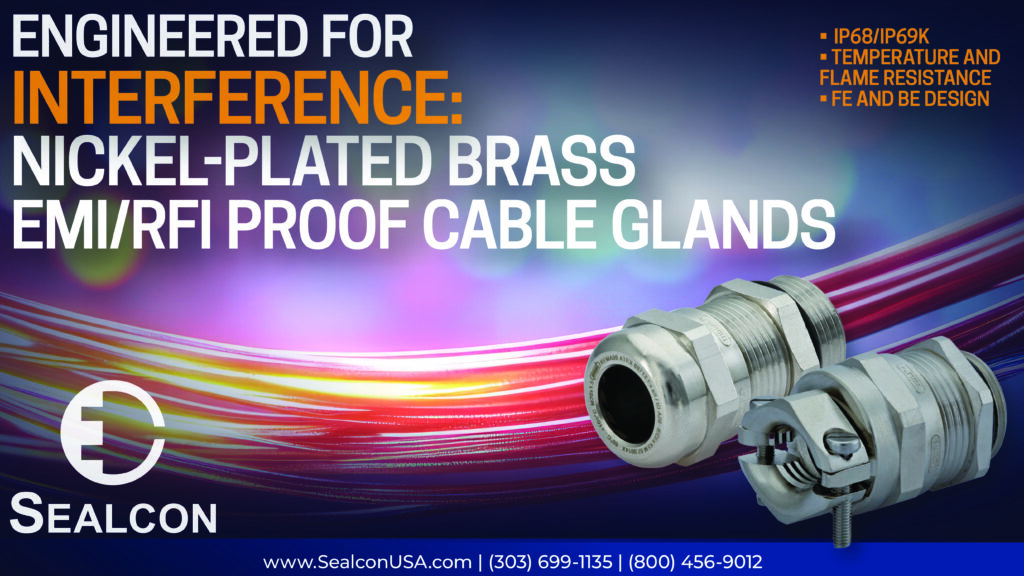 Engineered for Interference: Nickel-Plated Brass EMI/RFI Proof Cable Glands
  The Critical Link in Hazardous Area Safety: Ex Cable Glands
  Stop Wire-Guessing: Find Your Perfect Cable